
 Written by:
Louise is an SEO Writer for Spacer Technology, creating content for the Parkhound, WhereiPark, Spacer.com.au, and Spacer.com brands. Based in the Philippines, she transitioned from her government office job to copywriting in 2012 and has stayed in content production since.
 Edited by:
Zarah Mae Torrazo is Head of Content at Spacer Technologies, the company behind Parkhound, WhereiPark, and Spacer.com. With 10 years of writing experience in parking, real estate, and finance, she creates content that helps drivers save money and property owners earn income from their space.
 Reviewed by:
Born with an innate entrepreneurial spirit and a thirst for all things tech, Mike founded his first business at the age of 14 by developing websites for SMEs in the mid-90’s. Now with decades of hands-on experience building startups, Mike is a seasoned tech entrepreneur with a proven track record of scaling high-growth tech companies.
New to driving or visiting Australia? Learn essential parking rules, signs, and beginner-friendly tips to park safely and avoid fines.
Parking may seem simple at first. Many new drivers quickly realise that it can be one of the more confusing parts of driving, especially in busy Australian cities or unfamiliar areas.
In Australia, parking rules are controlled by road signs, line markings, and local council regulations. These signs tell drivers where they can park, who is allowed to use the parking spot, how long they can stay, and whether payment is required. Ignoring or misunderstanding a sign can lead to parking fines or even vehicle towing. For this reason, drivers are legally required to follow the instructions shown on parking signs and road markings.
These rules are set by state road authorities and local councils, which means restrictions can vary by city and may be changed or updated by councils as necessary.
Understanding the basics before you park can help new drivers avoid fines and park with confidence.
Parking signs are the main way parking rules are communicated across Australia. Some signs may include several rules such as time limits, payment requirements, and applicable hours; however, drivers are expected to read and follow the entire sign.
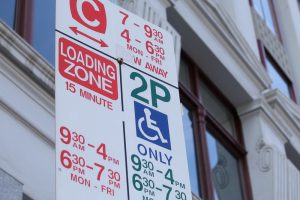
One common example is time-limited parking. Signs such as “2P” or “1P” indicate the maximum amount of time a vehicle can stay in that space. For example, “2P” means drivers can park for up to two hours during the times listed on the sign. If no days or times are shown, the rule usually applies at all times.
Some areas also have restricted zones. These include bus zones, taxi zones, loading zones, and clearways. Parking in these spaces without the correct vehicle type or permit can lead to fines or towing. Clearways are commonly used during peak traffic periods to keep roads moving, so stopping during prohibited times can lead to immediate towing.
Parking regulations are part of the Australian Road Rules, which were introduced nationally in 1999, but local councils may also introduce additional restrictions depending on traffic conditions or community needs. Since rules can vary slightly between cities, it’s important for drivers to avoid assuming that rules are similar, and always check the posted signage before parking instead.
New drivers will encounter several types of parking in Australia. Each option has different rules, payment methods, and levels of difficulty, and understanding these options can make parking easier and reduce the risk of fines.
Be aware that parking availability is not always assured, and fees and restrictions may change depending on local council policies.
Parking mistakes are common for new drivers, especially in busy areas where multiple restrictions apply. Taking a few extra moments to check the rules can help drivers avoid unnecessary fines.
Taking these simple steps can help new drivers park safely, follow local rules, and reduce the chances of receiving a fine.
Visitors who plan to drive in Australia may find parking rules slightly different from those in other countries. Taking time to understand a few basics can help avoid confusion and unnecessary fines.
Understanding these basics helps tourists and business travellers park legally and navigate Australian cities with more confidence.
Parking is a skill that becomes easier with practice. For new drivers, understanding how parking signs work and knowing the different parking options available can make a big difference. Taking a few moments to read the signs, check time limits, and confirm payment requirements can help prevent fines and unnecessary stress.
Drivers should also remember that parking rules may vary slightly depending on the city or local council. Restrictions, fees, and parking programs may be updated periodically as councils adjust traffic management policies. Checking official guidance from local transport authorities can help drivers stay informed and park responsibly. With the right habits, new drivers can approach parking in Australia with greater confidence and awareness.
Louise is an SEO Writer for Spacer Technology, creating content for the Parkhound, WhereiPark, Spacer.com.au, and Spacer.com brands. Based in the Philippines, she transitioned from her government office job to copywriting in 2012 and has stayed in content production since.
Louise is an SEO Writer for Spacer Technology, creating content for the Parkhound, WhereiPark, Spacer.com.au, and Spacer.com brands. Based in the Philippines, she transitioned from her government office job to copywriting in 2012 and has stayed in content production since.
This will close in 0 seconds
This will close in 0 seconds