
 Written by:
Zarah Mae Torrazo is Head of Content at Spacer Technologies, the company behind Parkhound, WhereiPark, and Spacer.com. With 10 years of writing experience in parking, real estate, and finance, she creates content that helps drivers save money and property owners earn income from their space.
 Edited by:
Louise is an SEO Writer for Spacer Technology, creating content for the Parkhound, WhereiPark, Spacer.com.au, and Spacer.com brands. Based in the Philippines, she transitioned from her government office job to copywriting in 2012 and has stayed in content production since.
 Reviewed by:
Born with an innate entrepreneurial spirit and a thirst for all things tech, Mike founded his first business at the age of 14 by developing websites for SMEs in the mid-90’s. Now with decades of hands-on experience building startups, Mike is a seasoned tech entrepreneur with a proven track record of scaling high-growth tech companies.

Many hotels have parking spaces that are left empty for a significant portion of the day. Bays are frequently empty at off-peak times, on slower weekdays, and during the time between check-in and check-out, while surrounding drivers are actively searching for safe parking spots.
And because parking is usually viewed and treated as an amenity rather than a revenue stream, these spaces rarely get the same commercial focus as rooms, events, or food and beverage.
Industry data supports this gap. A CBRE analysis found that hotel parking revenue recovered to 103.1 percent of pre-2019 levels even while overall hotel revenue remained below 2019 performance, highlighting how resilient and under-leveraged parking income can be.
But with the right strategy, these underutilised facilities can carry strong margins with very little operational effort. This makes parking one of the easiest assets to convert into a tangible source of income.
When hotels treat parking as part of their revenue planning instead of a passive service, they unlock predictable revenue returns from space they already own, according to Parkhound’s Business Development Specialist, Tom Pitfield.
“Most hotels already have the right asset. They just need a practical way to bring it into their revenue strategy without adding work for their team,” he explained.
Mr Pitfield, who has worked with businesses across Australia to commercialise underused parking, said the opportunity is usually hiding in plain sight. Hotels already manage traffic flow every day and have the data to forecast when spaces sit empty.
“The gap is simply putting structure around it, so those spaces generate predictable income without pulling staff away from core operations,” he noted.
This guide walks through how hotels can turn spare capacity into a structured income stream using simple digital tools and support from partners like Parkhound.
Tap into daily local demand and convert unused bays into new revenue for your hotel.
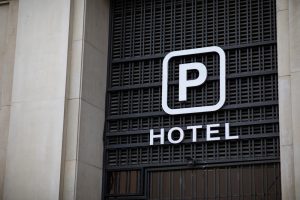
Before hotels can build a parking strategy, it helps to understand the simple reasons spare bays generate revenue when left unmanaged.
Parking can be a solid revenue stream for hotels, just like rooms, Food and Beverages (F&B) or events. Here is our step-by-step guide on how to turn your unused parking into a dynamic asset with tangible returns.
Before a hotel can monetise spare parking, it needs a clear view of how many spaces are truly available and when they go unused. A simple inventory assessment helps determine what portion of the car park can be released for revenue without affecting guests.
Start by identifying your total number of parking bays, including surface lots, basement levels and overflow areas. From there, look at occupancy trends to understand how many spaces are consistently vacant.
But this assessment should go beyond seasonal patterns. Track usage across morning peaks, overnight stays, weekends, and event days to see when demand rises or drops.
Once the basic numbers are clear, check for practical barriers. Poorly marked bays, unclear entry points or unmanaged access can keep spaces from being used efficiently. Addressing these issues often increases usable capacity without any infrastructure changes.
A simple 7-day utilisation audit is usually enough to reveal where gaps occur. Record how many spaces are occupied at set intervals each day. This will show whether daytime dips, late-night lulls or mid-week gaps can be turned into income.
Once you understand how your parking is being used, the next step is to set prices that reflect real demand around the hotel.
Research from the University of Sydney found that in the Sydney CBD, changes in parking supply explained less than 3 percent of shifts in parking share, while pricing accounted for 97 percent. This highlights how powerful price is in shaping where people choose to park.
For hotels in airport, CBD or stadium precincts, this means pricing decisions can materially shift who parks on-site and what each bay earns.
Mr Pitfield advised, for starters, to treat spare parking as a dynamic asset. “Rates can shift across weekdays, weekends, public holidays, event nights and peak travel periods. Higher prices make sense when the surrounding area is busy, while long-stay or monthly rates help maintain steady utilisation during quieter periods,” he explained.
“Peak hotel days often coincide with peak neighbourhood demand, especially near airports, event precincts or CBD corridors. Keeping these spaces priced rather than bundled or offered for free ensures the hotel captures external demand instead of pushing it to nearby operators,” he noted.
A demand-based pricing strategy helps hotels earn consistently from spare spaces while keeping enough capacity available for guests.
Once pricing is in place, the next step is making it easy for drivers to pay and access the hotel’s parking without adding pressure on staff.
Most hotels can activate paid parking with simple digital tools rather than investing in gates, kiosks or full-time attendants.
Mr Pitfield said starting small helps build confidence before scaling. “These systems let hotels monetise unused bays straight away. As revenue grows, they can layer in more advanced controls like automated access gates or integrated validation for guests. But the first step is simply proving that digital tools can manage parking reliably.”
Low-cost digital systems give hotels a practical way to begin earning from their parking immediately while keeping operations efficient and predictable for staff.
Once digital controls are in place, the next step is to make parking simple for both hotel guests and external drivers. It’s an unfortunately familiar experience for almost everyone. You enter a building and you’re not quite sure where the parking entrance is, which lane you should follow, or where you’re allowed to stop.
A clear, predictable setup removes that uncertainty, reduces questions at the front desk and helps drivers move in and out without delay.
Mr Pitfield said most friction comes from unclear instructions. “Hotels should spell out how to enter, where to park and how to exit. Clear on-site signage and pre-arrival directions go a long way in keeping the flow smooth,” he explained.
Automated messages and confirmations support this clarity. Drivers receive what they need upfront, staff field fewer questions and both groups enjoy a more organised arrival.
A well-structured parking experience builds confidence, reduces operational strain and makes the hotel’s paid parking feel like a natural extension of its guest services.
Once the on-site experience is running smoothly, it’s time to get these unused spaces in front of the people who need them.
Most hotels sit beside steady demand streams like commuters, travellers, airport drivers and event crowds, but those drivers will only find you if the spaces are visible online.
Mr Pitfield said online distribution is the simplest way to unlock this demand. “When hotels list only their spare capacity on platforms like Parkhound, they reach the exact people already searching for daily,or monthly parking. The guest experience stays protected because hotels choose how much inventory to release,” he explained.
He added that distribution also removes the burden of marketing and payment handling. “Third-party platforms manage customer acquisition, bookings and payments, so hotels don’t need to build these systems themselves. It’s a low-effort way to fill unused bays with predictable revenue.”
Common use cases include:
• Airport long-stay bookings
• Event-night parking during concerts or sport
• Weekday demand from nearby CBD workers
• Monthly parkers who want a reliable spot close to home or work
• Weekend overflow from local attractions and dining precincts
Listing spare bays online gives hotels access to broader, year-round demand while keeping full control over how much capacity they release at any time.
With spaces listed and demand flowing in, the next step is to monitor how your parking is actually being used. Real-world booking patterns reveal which bays, time slots, and days generate the strongest returns, and they give hotels the information they need to refine pricing without relying on complex KPIs.
Mr Pitfield said the most useful insights often come from simple trends. “Look at which days sell out first, when bookings spike and which time windows never fill. Early-morning airport flights, stadium events and conference days usually stand out straight away,” he explained.
He noted that small adjustments based on this data have a noticeable impact.
“When hotels see consistent patterns, they can raise prices during peak periods or release a few extra bays when demand is high. During slower times, long-stay or monthly rates help maintain steady utilisation.”
Using real performance data keeps the parking strategy grounded in what travellers and local drivers are willing to pay, helping hotels grow revenue steadily while staying responsive to changing demand.
Hotels generally choose between two operating models when turning spare parking into revenue. The right fit depends on access, staff capacity and how much demand the hotel wants to capture.
Best for hotels with simple layouts and predictable traffic.
Pros
• Full control over pricing and availability
• Suitable for properties with a single entry point or low daily turnover
• Minimal coordination needed if bays fill consistently from local demand
Cons
• Hotel staff handle enquiries, troubleshooting and reporting
• Requires ongoing monitoring to adjust pricing and capacity
• Limited reach unless the hotel invests in its own marketing and booking tools
Ideal for hotels wanting scale, visibility and less operational involvement.
Pros
• Platforms like Parkhound manage distribution, demand capture, booking flow and payments
• Hotel teams stay focused on core operations
• Broader exposure to commuters, travellers, airport users and event traffic
• Flexible inventory control so hotels only list truly unused bays
Cons
• Requires coordination with the platform’s onboarding and access setup
Parkhound gives hotels a simple, low-cost way to earn from unused bays while keeping guest priority intact. Key advantages include:
Mr Pitfield said the value of partnering with Parkhound comes from reach and simplicity. “Hotels tap into a national audience of commuters, travellers and event-goers without building their own marketing or booking system. They stay in control of how many spaces they make available, so guest priority is never affected.”
Hotel parking is often an overlooked asset, but with the right structure, it can become a steady and predictable source of income. Monetising these spaces doesn’t require major investment. It simply calls for a clear understanding of available capacity, straightforward digital access, demand-driven pricing and visibility in the right channels.
When these pieces come together, parking shifts from passive space to active revenue. And with a partner like Parkhound managing distribution, bookings and support, hotels can focus on their core business while earning more from the space they already own.
Zarah Mae Torrazo is Head of Content at Spacer Technologies, the company behind Parkhound, WhereiPark, and Spacer.com. With 10 years of writing experience in parking, real estate, and finance, she creates content that helps drivers save money and property owners earn income from their space.
Zarah Mae Torrazo is Head of Content at Spacer Technologies, the company behind Parkhound, WhereiPark, and Spacer.com. With 10 years of writing experience in parking, real estate, and finance, she creates content that helps drivers save money and property owners earn income from their space.
This will close in 0 seconds
This will close in 0 seconds