
 Written by:
Louise is an SEO Writer for Spacer Technology, creating content for the Parkhound, WhereiPark, Spacer.com.au, and Spacer.com brands. Based in the Philippines, she transitioned from her government office job to copywriting in 2012 and has stayed in content production since.
 Edited by:
Zarah Mae Torrazo is Head of Content at Spacer Technologies, the company behind Parkhound, WhereiPark, and Spacer.com. With 10 years of writing experience in parking, real estate, and finance, she creates content that helps drivers save money and property owners earn income from their space.
 Reviewed by:
Born with an innate entrepreneurial spirit and a thirst for all things tech, Mike founded his first business at the age of 14 by developing websites for SMEs in the mid-90’s. Now with decades of hands-on experience building startups, Mike is a seasoned tech entrepreneur with a proven track record of scaling high-growth tech companies.
Confused about loading zones in Australia? Learn the rules, fines, time limits, and tips for parking safely.
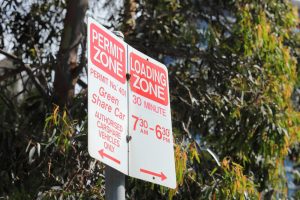
Loading zones are designated areas that allow vehicles to stop briefly for loading or unloading goods or passengers. These zones are a common sight in cities and town centres across Australia, as they help manage traffic flow and ensure that businesses and transport services can operate efficiently. These zones are typically intended for commercial vehicles and delivery vans, but some states may allow private vehicles to use the area when they are actively loading or unloading.
A loading zone is usually marked by signs and road markings that indicate who can use the space and for how long. Rules vary slightly by state or territory and many are reviewed or updated each year, so confirming the current rules with local authorities is important. A reliable starting point is the official National Transport Commission (NTC) website, where you can access each state’s transport department pages.
Understanding loading zone rules is essential for both locals and visitors who may not be familiar with Australian parking signs. By knowing the basics, you can ensure you park legally and safely and avoid fines.
Loading zones are marked by road signs that clearly indicate permitted uses, time limits, and who can legally stop there. While many Australian cities share similar principles, rules may vary across states and territories.
Parking or stopping illegally in a loading zone can result in fines across all Australian states and territories. Common penalties include penalty points and monetary fines, the amount of which vary by location but typically range from about $100 to $300, and may increase for repeat offences. Council parking officers usually issue tickets and place them on offending vehicles but, in some areas, violations are recorded using cameras. Enforcement focuses on vehicles that remain beyond the permitted time, are the wrong type for the zone, or use the space without actively loading or unloading goods or passengers.
Tips to avoid fines:
Keep these tips in mind when finding and using loading zones:
Following these practices helps you comply with regulations, avoid fines, and keep traffic flowing safely.
Loading zones play an important role in keeping traffic flowing and supporting local businesses. Understanding who can use them, the time limits, and the specific rules in each state or territory is essential for all drivers, and misuse of loading zones can result in fines.
Always follow local regulations, use loading zones only for their intended purpose, and move your vehicle promptly after loading or unloading. By doing so, you protect yourself from penalties and ensure that loading zones remain efficient for everyone.
Louise is an SEO Writer for Spacer Technology, creating content for the Parkhound, WhereiPark, Spacer.com.au, and Spacer.com brands. Based in the Philippines, she transitioned from her government office job to copywriting in 2012 and has stayed in content production since.
Louise is an SEO Writer for Spacer Technology, creating content for the Parkhound, WhereiPark, Spacer.com.au, and Spacer.com brands. Based in the Philippines, she transitioned from her government office job to copywriting in 2012 and has stayed in content production since.
This will close in 0 seconds
This will close in 0 seconds