
 Written by:
Louise is an SEO Writer for Spacer Technology, creating content for the Parkhound, WhereiPark, Spacer.com.au, and Spacer.com brands. Based in the Philippines, she transitioned from her government office job to copywriting in 2012 and has stayed in content production since.
 Edited by:
Zarah Mae Torrazo is Head of Content at Spacer Technologies, the company behind Parkhound, WhereiPark, and Spacer.com. With 10 years of writing experience in parking, real estate, and finance, she creates content that helps drivers save money and property owners earn income from their space.
 Reviewed by:
Born with an innate entrepreneurial spirit and a thirst for all things tech, Mike founded his first business at the age of 14 by developing websites for SMEs in the mid-90’s. Now with decades of hands-on experience building startups, Mike is a seasoned tech entrepreneur with a proven track record of scaling high-growth tech companies.
Homeowners and tenants in Australia can legally rent out garages or parking spaces — but learn the rules, safety requirements, and tax obligations first.
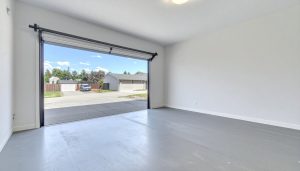
Many homeowners and tenants in Australia are looking for new ways to boost their income and ease the pressure of rising living costs. Thanks to the growth of the sharing economy, even an unused garage, driveway, or parking space can become a simple source of extra cash.
However, before listing your space online, it’s essential to understand the legal, insurance, and tax implications. This guide will help you navigate the rules so you can rent out your space confidently, safely, and within the law.
Before listing your space, it’s important to understand whether you’re legally permitted to rent it out. The rules vary depending on who owns the property and your relationship to it.
Generally, you can rent out your garage or driveway if it’s part of a detached house that you fully own. You’re also free to set the price, negotiate usage terms and enjoy extra income.
However, if your property is a unit in an apartment complex, strata, or community with shared parking, you need to check if your strata scheme or body corporate restricts leasing common property or individual parking spaces, even as an owner. Some councils also treat the rental of parking spaces as non-residential leases or impose extra obligations, so proceed with caution.
If you are a tenant yourself and wish to rent out a garage, driveway, or parking space that is part of your lease, you must first obtain the landlord’s consent. As strata lawyer Amanda Farmer explains: “Most standard residential leases prohibit tenants from sub-letting without the landlord’s consent, whether it’s a second bedroom or a car space.”
There are two things that may legally allow you to rent out your parking space: contract and consent. That is, you can rent out the parking space if your lease contract explicitly states that sub-letting is allowed. However, if there is no explicit clause in your contract, you must get written permission from the owner that they are allowing you to sub-let – and make sure to keep that document safe for your own protection.
If the lease forbids sub-letting or has a vague clause on it, but you don’t acquire a written permission, renting out the space could breach the tenancy agreement and expose you to legal action or eviction.

Renting out a garage, driveway or car-space in Australia involves more than just listing, accepting bookings, and receiving payment. You must comply with council regulations, strata, or body corporate by-laws, and safety and liability obligations before putting your space on the market.
If you own a garage or parking space in a strata or community scheme, check that you hold exclusive rights to it, and that the scheme’s by-laws don’t prohibit renting it out. If you fully own the parking space, the state law may be on your side even if the strata or council tries to prohibit you or impose penalties for leasing out your owned space.
For example, the Strata Schemes Management Act 2015 in New South Wales prevents by-laws from stopping a lot owner renting out a car space if they have exclusive use rights over the lot.
However, some councils may have planning or lease conditions that limit or regulate commercial use of parking spaces, such as no rentals to outsiders or limitations on third-party’s use of the space. In this case, the lot owner or tenant must comply with council restrictions when they rent out their parking space.
Renting out your garage, driveway, or car space makes you responsible for ensuring safety and compliance. That means any structural issues, fire risk, lighting, access and signage must meet relevant building or safety codes.
You should also treat the arrangement like a lease: have terms covering access, hours of use, vehicle types allowed, and liability for damage or injury. You must also ensure that the renter is using the space correctly and according to your rent or lease contract. That is, you need to ensure that they are actually parking the type of vehicle they declared and not, for instance, storing a boat or living in their car while it’s parked in your garage long-term.
Staying on top of safety standards and keeping an eye on how your renter uses the space helps minimise risk and ensures you’re protected from potential legal or insurance issues.
If you rent out a garage, driveway, or parking space in Australia, the income you receive is generally taxable and must be included in your annual tax return. This applies whether you rent to a long-term tenant or list via a sharing-economy platform like Parkhound.
You must declare all rental income received from your space on your tax return for the year you receive it. This includes cash payments, bond monies retained, or other benefits.
According to the Australian Taxation Office (ATO), you should report your income from peer-to-peer sharing under the “Other income” field, if applicable.
Keep detailed records of income and ownership share if you co-own the space, so you can correctly file your income tax return.
You may be able to claim deductions for expenses incurred in earning that rental income. Below is a list of common eligible deductions:
You’ll need to apportion expenses if the space is used for both private and rental purposes.
Renting out your garage, driveway, or parking space may seem low-risk, but it can expose you to liability for injuries, damage, or misuse.
When someone else uses your space for payment, you step into a rental-arrangement scenario where you may be liable if they or their property is harmed on the premises. To reduce financial and legal risks:
If you’re renting out your space, standard homeowners’ insurance may not be enough. A dedicated landlord insurance policy or a rental-use endorsement is often recommended to ensure full coverage in case of damage or liability claims. It’s not a cheap investment, so before arranging additional cover, check with your insurer that your policy explicitly allows revenue-earning arrangements. Otherwise, a future claim could be denied.
Renting out your garage, driveway, or parking space can be a simple way to earn extra income, but it’s important to do it the right way. Follow these key steps:
By taking these steps, you can rent out your space safely, reduce your liability, and stay compliant with Australian laws, while earning extra income with peace of mind.
Louise is an SEO Writer for Spacer Technology, creating content for the Parkhound, WhereiPark, Spacer.com.au, and Spacer.com brands. Based in the Philippines, she transitioned from her government office job to copywriting in 2012 and has stayed in content production since.
Louise is an SEO Writer for Spacer Technology, creating content for the Parkhound, WhereiPark, Spacer.com.au, and Spacer.com brands. Based in the Philippines, she transitioned from her government office job to copywriting in 2012 and has stayed in content production since.
This will close in 0 seconds
This will close in 0 seconds